In today’s fast-paced business environment, delivering products quickly and fulfilling all the requirements is what uplifts a service. Sometimes, to make a product work as intended, integrating multiple IT solutions proves to be a competitive advantage. Companies across industries increasingly rely on sophisticated software to streamline operations, ensure compliance, and enhance productivity.
One such successful integration story is the collaboration between our VAT management software and a popular coffee chain’s ERP system. This article explores how we navigated the complexities of this integration, tackled challenges, and achieved a seamless solution that benefits both parties.
Understanding the significance of VAT
Value-added tax (VAT) is a form of Goods and Services Tax (GST) imposed on the purchase, sale, and production of goods. For businesses, managing VAT efficiently is crucial to ensuring compliance with local tax authorities (eg. the National Board of Revenue in Bangladesh). As failure to submit VAT returns can result in significant penalties and disrupt business operations, most companies look at VAT very simply. As it is a form of tax, we’ll use tax and VAT interchangeably.
Our company specializes in VAT management software that automates the generation of VAT returns. These auto-generated documents must be submitted to the aforementioned authority. The software is designed to simplify the complex process of VAT calculation, reporting, and submission, providing businesses with peace of mind and freeing them to focus on their core operations.
The Coffee Shop Chain Partnership
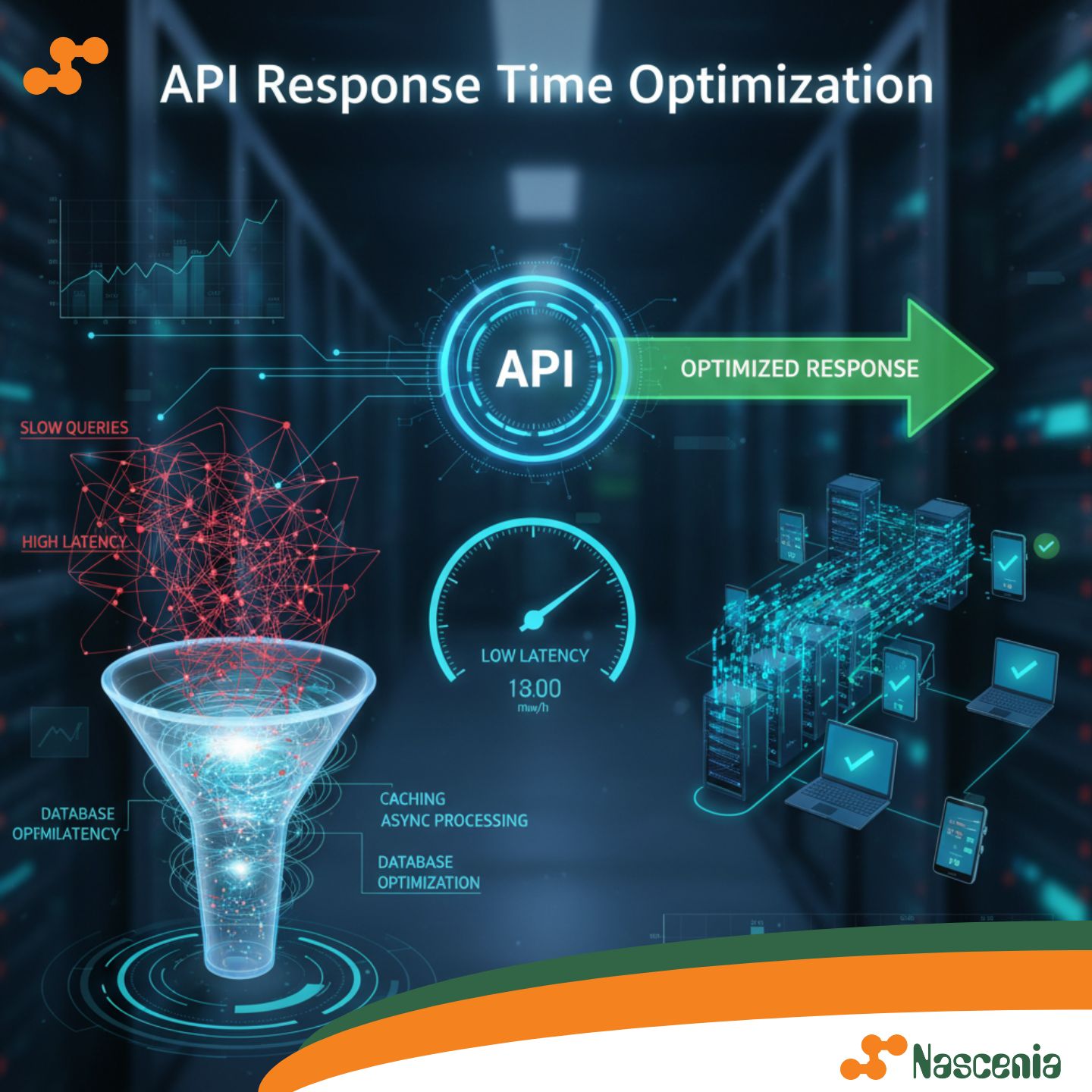
Our recent partnership with a popular coffee shop chain in the country which involved heavy reliance on API-returned data and its management from our software. API is like the bridge that connects two software by sharing data and is something that we’ll explore in more detail later in this article.
This coffee chain uses an enterprise resource planning system (ERP in short) to manage its vast array of operations, from inventory management to sales tracking. While the ERP system was adept at logging data, the challenge lay in integrating this data seamlessly with our software which will generate the tax returns from calculations from the data that’s coming from their system.
The Integration Process
Initial Discussion and Planning:
The first step was to understand the coffee shop chain’s existing ERP system and its data structure. We engaged in detailed discussions with their IT team to map out the integration process. It was then when we learned that their system lacked a functional API that we needed to fetch these data from our end. This initial phase was crucial in identifying the touchpoints between the two systems and setting clear objectives for the integration.
API Development:
The next step involved the development of APIs (Application Programming Interfaces). APIs act as bridges between different software systems, allowing them to communicate and share data. We requested the coffee chain’s engineering team to build an API from which our software could fetch data and load it into the VAT management system. This required careful planning to ensure that the API met our data format requirements and could handle the volume of data being transferred. Much easier said than done, It took a fair amount of back and forth to properly develop the API which fits the data attributes that our software was asking to properly calculate tax returns.
The way we were planning to do it is to have a date range which will indicate the timeframe for which we will fetch the data. Then we decided to also have a data size variable which will indicate how long data is for this specified timeframe.
Lastly, we will call their (coffee shop server) APIs to fetch the required data and put them in the relevant places in the database of our VAT management software. The generation of tax returns utilizing this long data happened in a background process to keep the server stress-free for other normal operations.
Technical Challenges:
Server capacity issues on both sides posed another significant hurdle. The large data sizes meant that both our servers and the coffee chain’s servers struggled to keep up, leading to intermittent failures in data transfer. These technical challenges required close collaboration and frequent troubleshooting sessions between our teams.
Overcoming the integration challenges faced along the way
To overcome these challenges, we combined technical expertise with effective communication. We prioritized clear and constant communication throughout the integration process. Regular meetings and updates kept both teams aligned, allowing us to promptly address any issues and collaboratively identify and implement swift solutions.
We used an iterative testing approach to address data format and length issues. By breaking down the integration into smaller, manageable tasks, we could test and refine each component incrementally. This method helped us pinpoint specific pain points and systematically resolve them.
To handle server capacity issues, both teams focused on optimizing their servers. This involved upgrading hardware, fine-tuning software configurations, and implementing efficient data-handling protocols. These improvements ensured that the servers could manage large data volumes without crashing.
The API development process was also iterative, involving multiple rounds of refinement. We worked closely with the coffee chain’s IT team to ensure the API met our specifications. This included adjusting data formats, optimizing data transfer protocols, and establishing robust error-handling mechanisms.
The Outcome
The result of this collaboration was a seamless integration that enabled the coffee chain’s ERP system to communicate effectively with our VAT management software. This brought several benefits, including automated tax return generation, which significantly reduced the time and effort required for manual calculations and data entry. This automation ensured accurate and timely VAT returns. Additionally, by eliminating manual data entry, we improved accuracy and minimized the risk of human errors.
This integration project reinforced key lessons for us: the importance of clear communication to keep all parties aligned and promptly address issues; the need for flexibility and adaptability to navigate unforeseen challenges; the value of a skilled technical team to troubleshoot issues and optimize systems; and the effectiveness of an iterative approach in systematically identifying and resolving issues. These insights highlight the importance of seamless IT integrations in enhancing operational efficiency and accuracy in today’s technological landscape.
Conclusion
The successful integration of our VAT management software with the coffee shop chain’s ERP system showcases the power of collaboration and technical expertise. By overcoming significant challenges through clear communication and iterative problem-solving, we delivered a seamless solution that brought substantial benefits to our clients.
This case study underscores our commitment to providing innovative IT solutions that streamline operations and ensure compliance. We invite businesses seeking to enhance efficiency and compliance through sophisticated IT integration to partner with us and drive their success forward.
More to Explore
The Quest for Knowledge Continues. Fuel Your Curiosity.