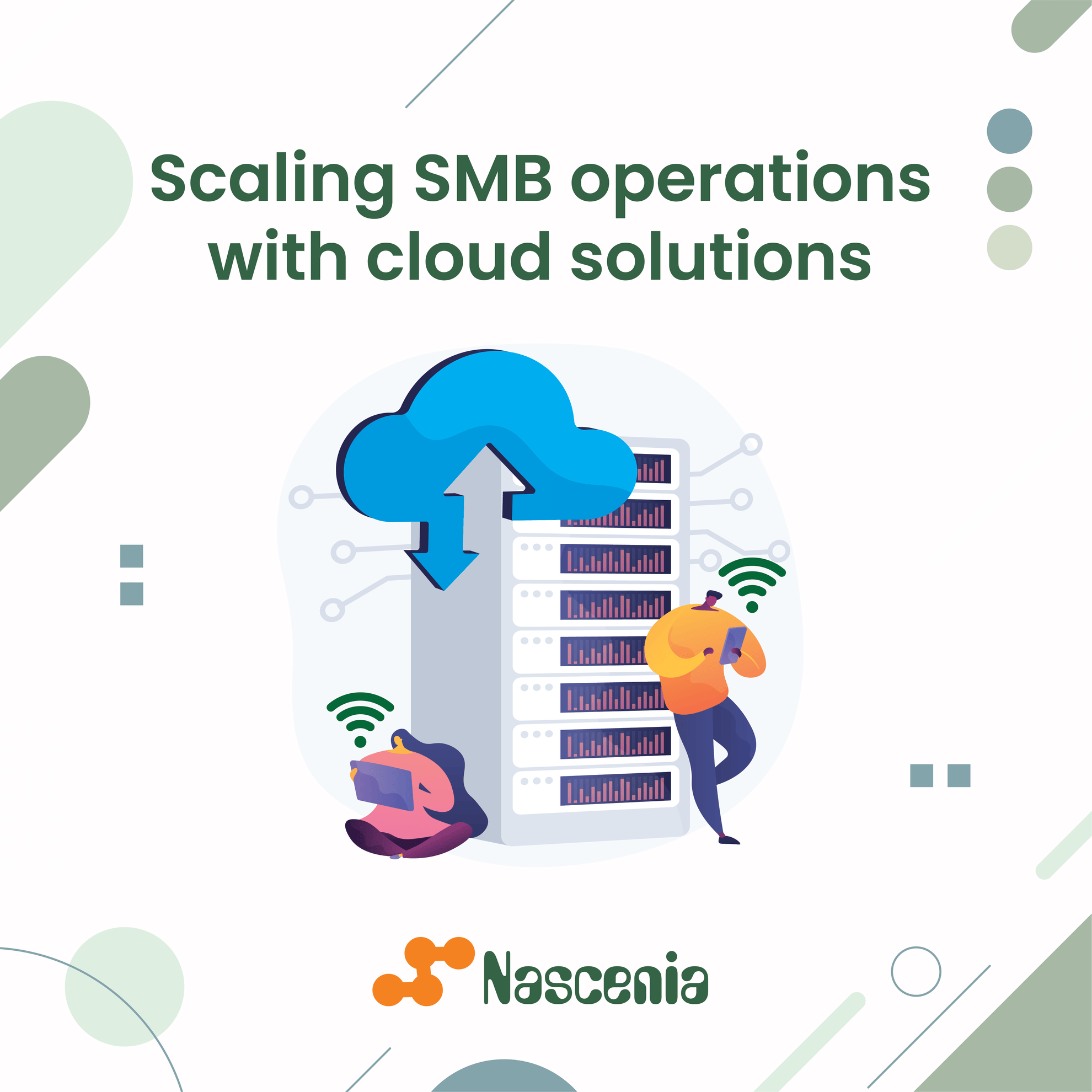
Cloud scaling refers to increasing or decreasing the operational capacity of cloud-based infrastructure. The ability to scale your business is an invaluable tool, allowing you to invest as much as you need into your operations. This is especially true for startups and SMB businesses, which may struggle with funding during uncertain situations. Cloud services are becoming an industry standard, allowing third-party service providers to handle the physical maintenance of servers. Scaling your capacity according to your business will save you a lot of time and money.
Cloud Scaling Services for SMBs
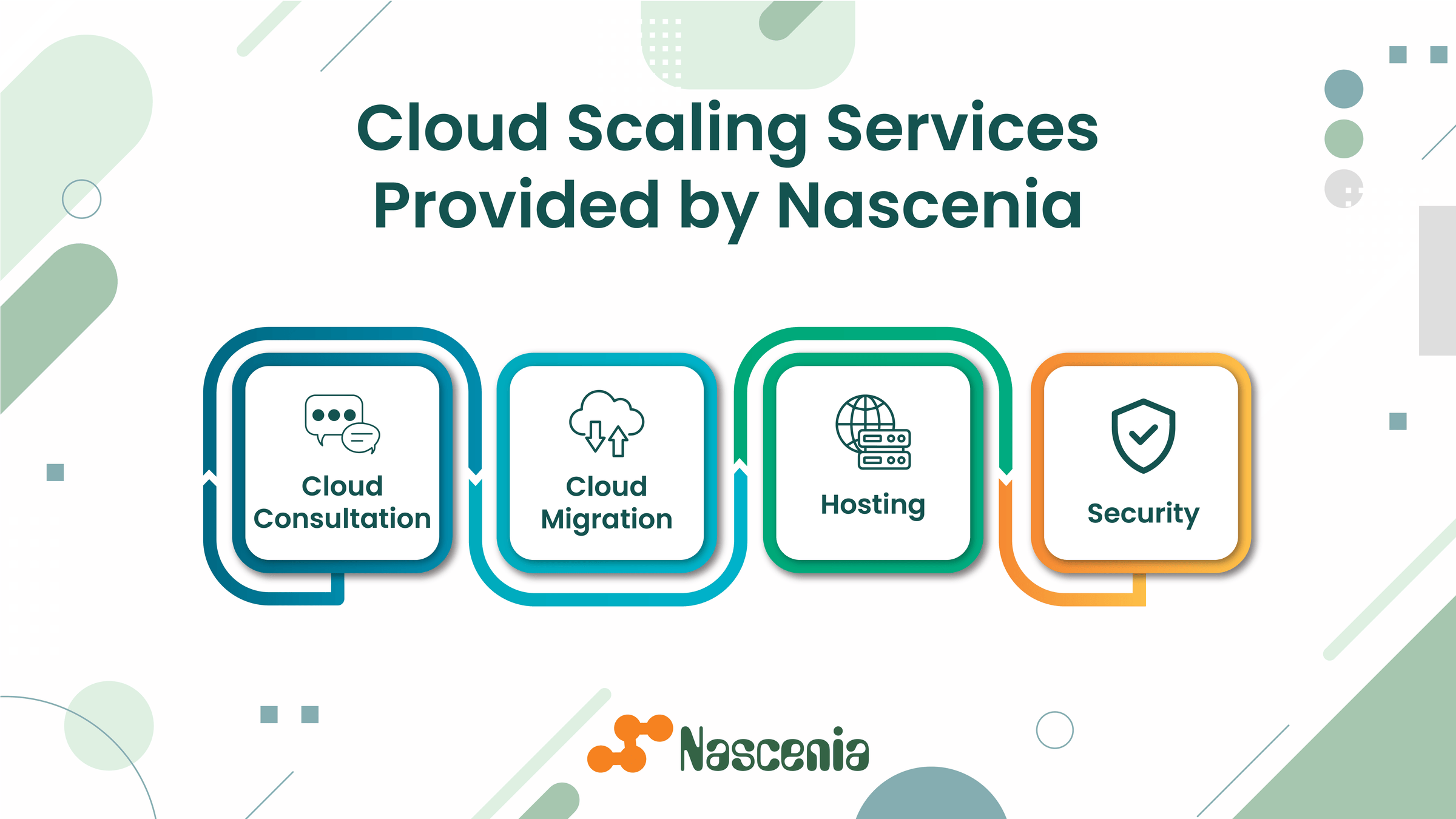
Cloud Consultation
All of our projects begin with consultation sessions with our clients. Whether you have a solid business, or a vague idea on what you want to achieve, our team of experts will hear you out and provide you with the best possible solution. We wiil assess your goals, existing systems, resources and provide you with a solution that will fit your current situation. We will pick the best cloud solutions provider for you so that your short-term and long-term solutions are met.
Hosting
If you are looking to host your web application on a cloud platform, we will find the most suitable service provider for you. We will analyze your current application and assess cloud options that fit within your budget and capabilities. Depending on your long-term needs, we will even suggest on-premise hosting solutions if it suits your needs more.
Cloud migration
If you already have an existing app or system on an on-premise server or a cloud server, you may want to migrate your app to a different cloud platform for various reasons. We can handle the on-premise to cloud migration process with minimum downtime so that you may avail the advantages of your sought-after platform and experience very little friction in your day-to-day operations.
Cloud Security
Running any business entails handling your customer database, which may contain sensitive information and credentials. So you will require security against data breaches, unauthorized access, and data breaches. We will arrange the cloud platform that will protect from malicious activities alongside data recovery options in case of unforeseen events. You can rest assured that your data will be safe.
How cloud service usage is accelerating SMB
Cloud services have accelerated the development of SMBs, giving them a low barrier to entry into the industry. With more opportunities than ever before, almost every industry is seeing far more competition in its early stages. This is not only evolving the SMB stage of business but further progressing the industry itself. And with access to cutting-edge technologies and features, the gap between large and small corporations is getting narrower. This gives opportunities for innovation to flourish, and SMBs to stand out on their own. Not to mention, the lower initial investment has made these businesses a lot more sustainable, allowing them the opportunity for long-term growth.
So, get started with your ideas and utilize cloud services to launch your business. Find the service provider that fits your needs and plan out your operations for maximum benefits. And if you require the cloud migration services of industry experts, feel free to reach out to us.
Cloud scaling models
There are mainly three cloud models that an SMB can utilize to optimize their business models.
Vertical scaling
Vertical scaling, aka “Scaling up” refers to increasing the capabilities of existing resources. By that, we mean adding more CPU, storage space, or RAM of a server. This model is ideal for scaling applications that need more resources but do not need the load to be distributed among multiple servers. This is ideal for applications that require a lot of resources but do not have a lot of load to handle that would require multiple servers. Database management and ERP systems such as Oracle and Microsoft Dynamics utilize vertical scaling for their cloud solutions.
Horizontal scaling
Horizontal scaling, or scaling out, is adding more servers to a system to distribute the load across them. This is important for applications with a large userbase, which typically require more storage space and administration for their active users. Multiple servers help ensure smoother operations as the load of usage is spread across multiple servers. Web applications like Facebook or Twitter rely on horizontal scaling to maintain operations.
Diagonal scaling
Diagonal scaling combines vertical and horizontal scaling, increasing both the number of servers and their capabilities. Applications that require both high load distribution and more resources opt for diagonal scaling for functionality. E-commerce platforms such as Shopify or Magento utilize diagonal scaling.
Types of cloud services
Business Process Outsourcing (BPO)
While strictly not a cloud-service model, Business Process Outsourcing refers to outsourcing certain aspects of your business to be handled by other companies utilizing cloud services. For example, you can outsource your HR activities to a different firm through a BPO model, allowing you to focus on your specialty.
SaaS
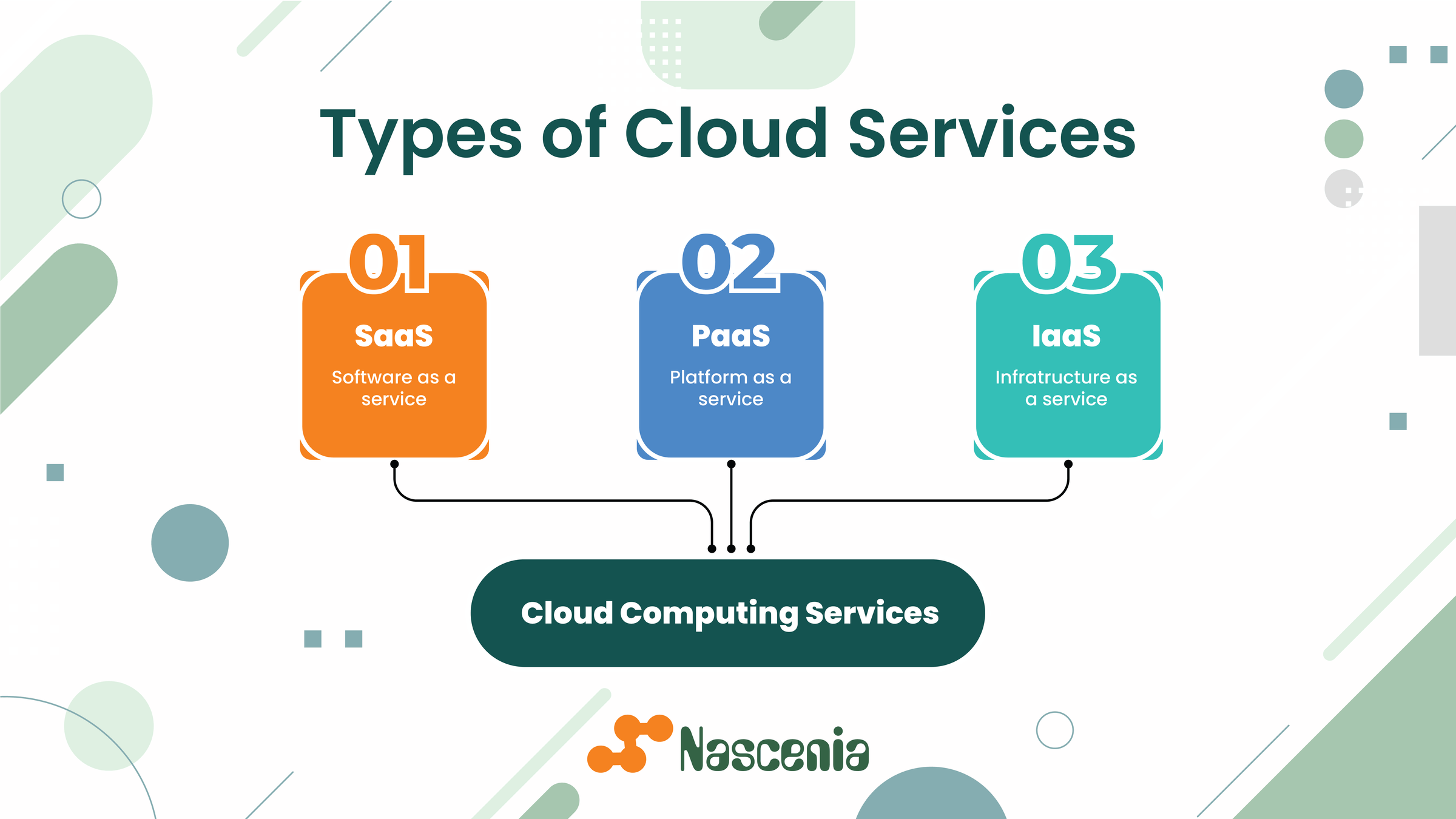
Software as a Service, or SaaS, is similar to other software, but it is hosted on remote servers instead of local hardware. SaaS is becoming a standard practice nowadays, as it relies on a user’s hardware specifications. As a result, it can be distributed to a large number of users who simply have a device.
PaaS
Similar to SaaS, it provides a platform for users hosted on an offsite server. Users pay for the platform as long as they keep using it. Users can use this platform to build, test, and deploy applications. The servers, operating systems, and network infrastructure are handled by the cloud service provider so that developers can focus on app development.
IaaS
Finally, IaaS offers an infrastructure to users who can not only work on app development but also emulate different settings for servers, hardware and networks to ensure compatibility with a wide range of users. This is the most foundational layer of the stack, allowing developers to work on more fundamental layers of an application.
Benefits of cloud solutions for SMBs
Flexibility and scalability
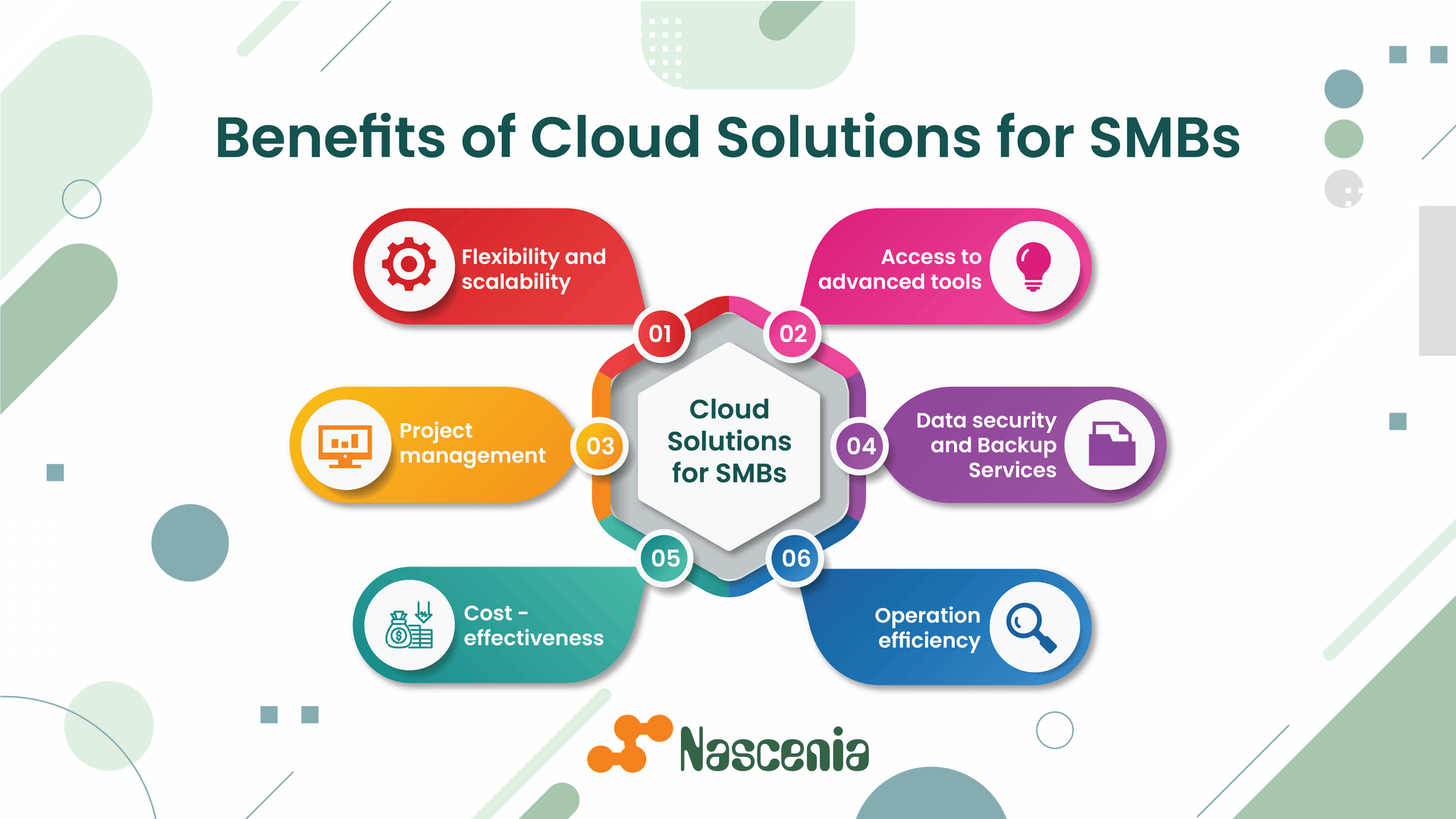
Cloud services offer flexibility and scalability to small businesses, giving them the option to experiment with various business models. Due to how easy it is to scale up or down with cloud solutions, SMBs can adjust their operations in relation to their user base. This type of flexibility can help the growth of small businesses so that they may flourish.
Cost-effectiveness
Cloud solutions services are available with a small budget upfront, giving businesses a platform to start on with the need to make a long term investment at the start. As a result, the initial business period would be more cost-effective. This can also allow them to invest in other fields that may enhance their operations.
Data security and Backup Services
Most cloud service providers offer data security and backup services so that in the event of any mishap, important data is not lost. This will save SMBs the headache of losing their data in case of any unforeseen events.
Project management
Cloud computing services come with a wide variety of collaboration tools that help teams work together seamlessly. This makes project management very easy, especially if you are working with remote workers in different locations. Tools and features like real-time editing, seamless file sharing, task monitoring, and resource management are pretty standard, which ensures a smooth development cycle.
Access to advanced tools
Tools like artificial intelligence, machine learning and data analytics offer valuable insights that can help a business make better decisions early on. These invaluable tools come as a package, making them easier to access for SMBs. Normally, these tools would need a level of investment to acquire them, but Cloud solutions streamline the whole process, making it easier for users.
Customer engagement solutions
Cloud solutions come with integrated CRM services, which SMBs can utilize to collect and analyze customer data such as interaction points, purchase history, and wishlists. These data are invaluable for customer and user research and can help develop marketing strategies.
Operation efficiency
With all kinds of tools and resources available, cloud solutions help improve a business’s overall efficiency. Collaboration tools, built-in customer database and analytics, and the flexibility it offer can cut downtime significantly and speed up regular activities.
Popular Cloud Service Providers
Here are some popular cloud service providers.
AWS
Amazon Web Services is the biggest cloud service provider in the world, with a market share of 32%. As the most used cloud platform, they provide all types of services such as storage, database management, infrastructure, AI and ML data analytics, and many more.
Microsoft Azure
Microsoft Azure is another popular cloud service provider, with unique features that help it to stand out among the competition. In terms of market share, they are just behind AWS, occupying 23% of the user base. It comes with Azure App Services, virtual machines, and SQL databases, with varying packages and lucrative AI features. Azure is part of the Microsoft 365 subscription, although it can be a standalone subscription by itself.
Google Cloud Platform
Google Cloud Platform offers a lot of free services for users, supporting SMB businesses with top-of-the-line features and scalability. Coming just behind Azure in terms of usage, GCP is a solid platform to run your business on. One big advantage of GCP is its compatibility with Google programs like Google docs, Google Sheets, etc. This will streamline your operations if you are already using other Google services.
Challenges of Cloud Scaling
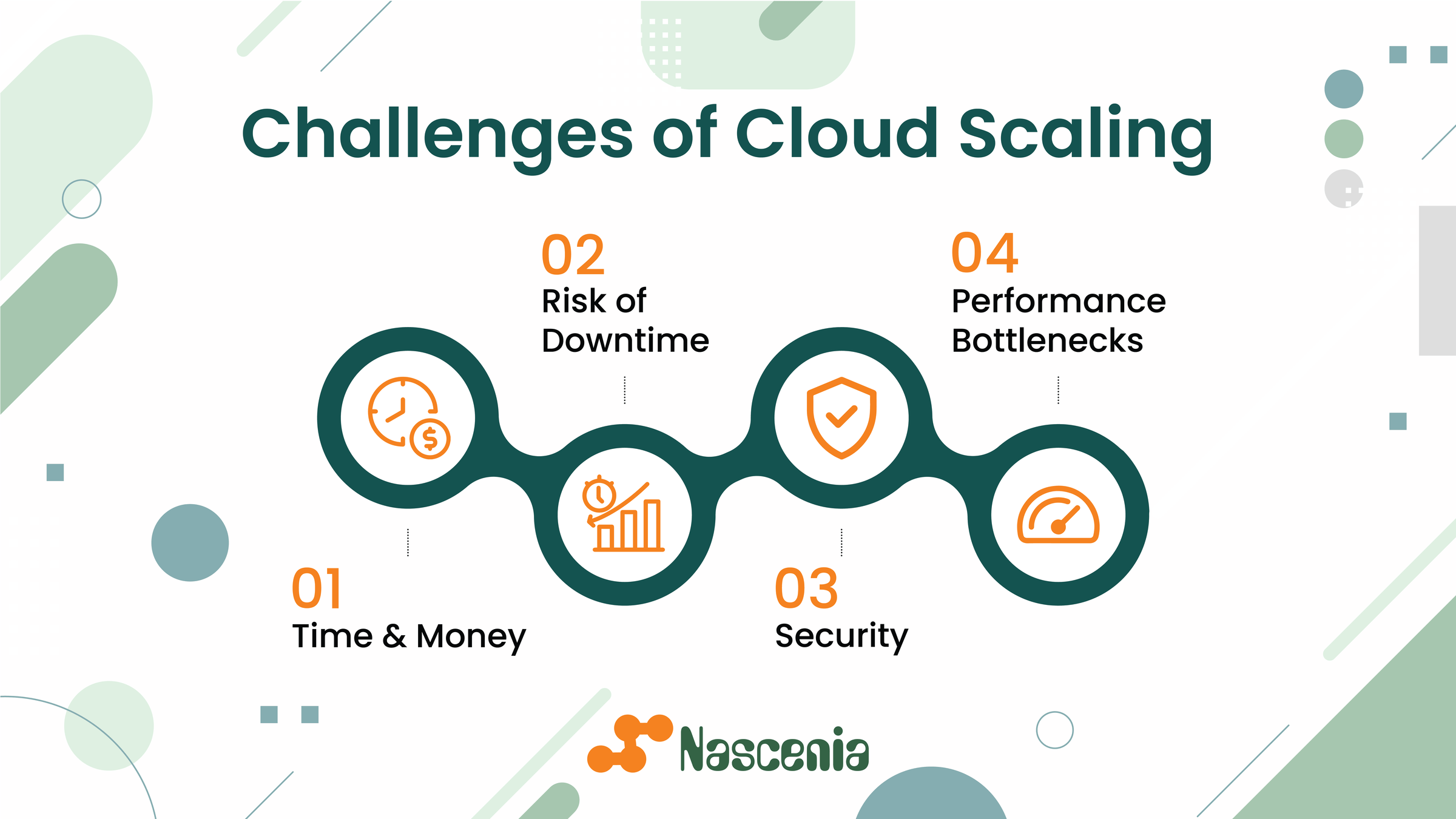
Time and money: While the upfront cost of cloud scaling can be low, a periodic subscription can add up to a large sum if you continue to use them. And if you already have an existing system, migrating to a different cloud service can be complex, with compatibility issues taking up a lot of time to fix. Depending on your situation, you may end up spending a lot of time and money on this endeavor. Make sure to pick the cloud service that suits your system to avoid burning more resources than you need.
Risk of Downtime: When scaling activities take place, your software or platform will experience downtime. During this period, users will be unable to use your service, which could lead to a loss of opportunities or business in that timeframe. To combat that, make sure to notify all users ahead of time to minimize opportunity costs.
Security: When scaling your operations, especially when you want to introduce new frameworks or systems into your application, there may be some complications with the existing data, causing vulnerabilities regarding security. Make sure that new features that are to be added are compatible with existing systems to mitigate this problem.
Performance bottlenecks: A lot of cloud services have very low initial payment options. This allows a lot of businesses to get their foot in the door to run their operations. However, these entry-level services may lack features or performance capacities that are important to streamline your operations. If you are not able to upgrade your capacity to your users, you will run into performance bottlenecks, which can cost you a part of your business.
How Nascenia has been one of the best in providing cloud Scaling Services
Nascenia Limited is an industry veteran in the IT sector, having operated for over 14 years. We have successfully delivered over 150 projects all across the globe, with clients across North America, Europe, and Australia. Nascenia provides all kinds of software solutions, including cloud services. We have provided all kinds of cloud solutions to a variety of clients, including UN agencies, Price Water Coopers and many more. Feel free to check out our portfolio and case studies to find out more details. We discuss with our clients their needs and goals and select the best technologies that will suit your requirements. So you can rest assured that you will get the best solutions to your alignment, including cloud service providers.
More to Explore
The Quest for Knowledge Continues. Fuel Your Curiosity.